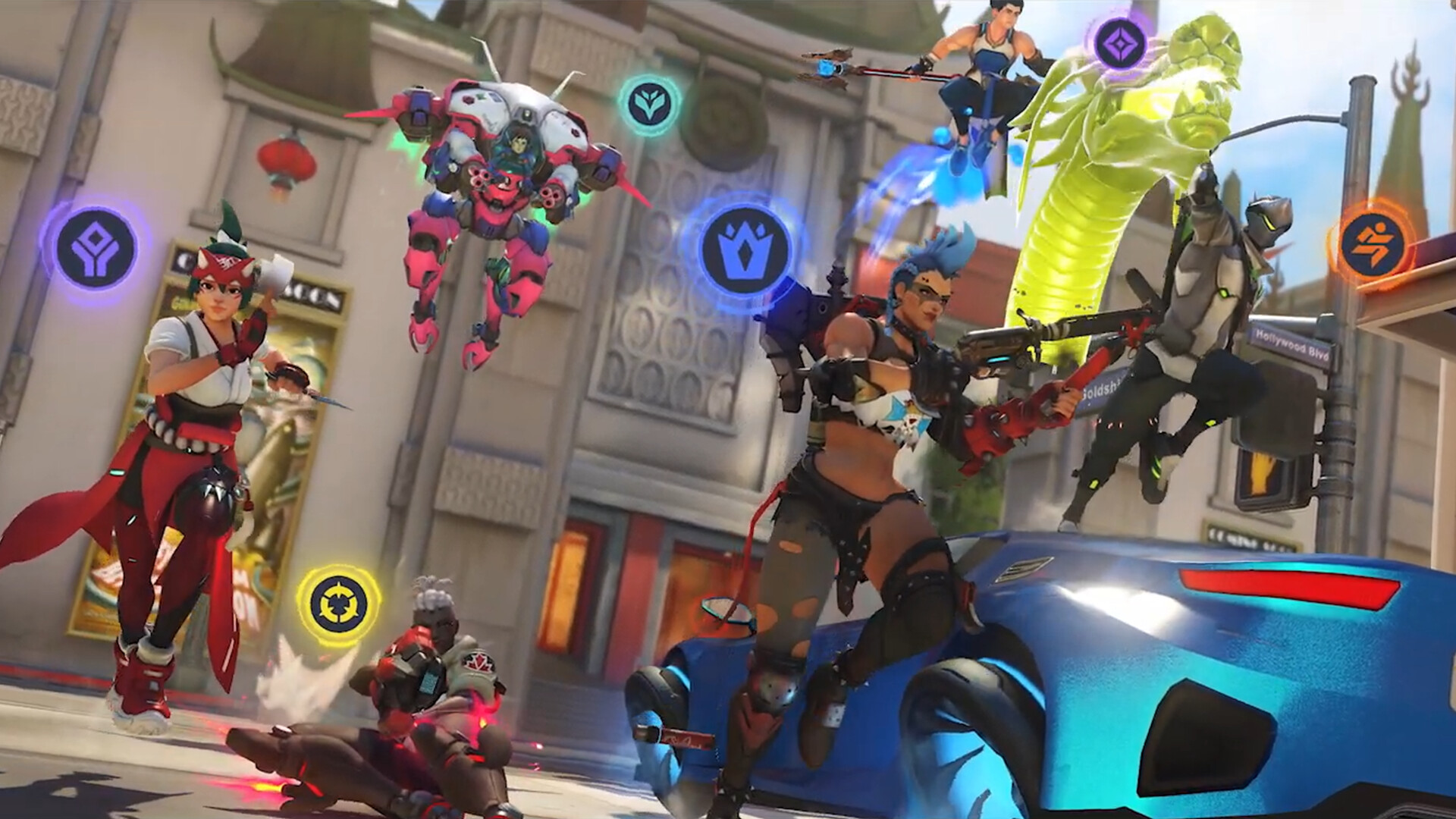
Ten seconds before the enemy team rounds the bend on Esperanza, your duo partner calls out that the opposing Genji holds Dragonblade, intends to bait your support cooldowns with a dash, and plans to strike from the right balcony. The fight plays out exactly as predicted, turning what would have been a catastrophic team wipe into an effortless defensive pick. Experiencing this level of foresight firsthand demonstrates that mechanical skill is only half the battle in competitive play. Selecting an Overwatch Boost configured for duo queue play immerses you directly into this elite level of match awareness.
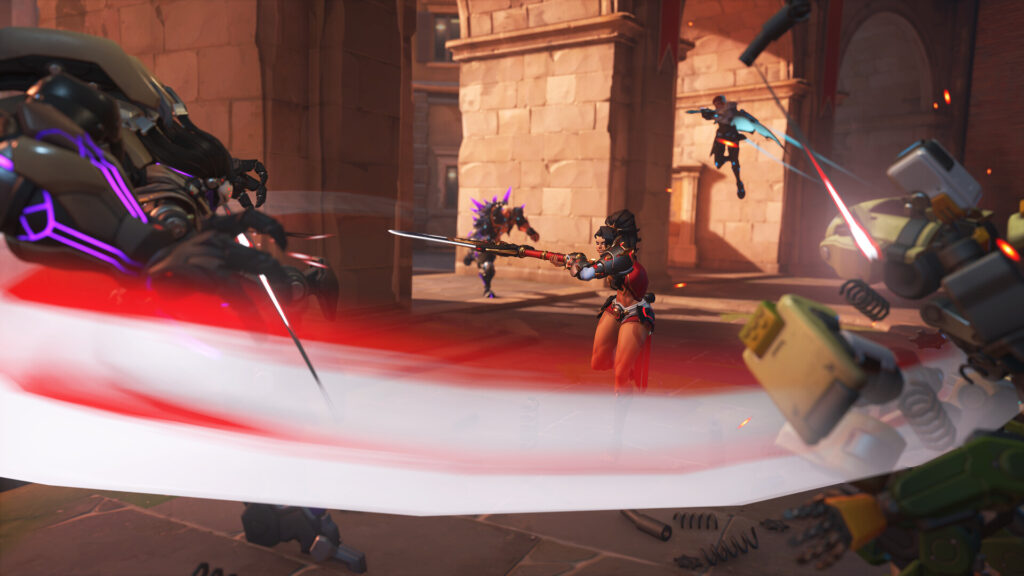
Rather than trying to decode chaotic skirmishes in isolation, you play alongside competitors who treat every match like a chess match with guns. Lower ranks teach players to react to emergencies after they happen, but high-ranking players neutralize threats before they even materialize. This gap in proactive game sense is nearly impossible to bridge while trapped in disorganized lobbies where nobody communicates. Bridging that divide requires playing inside structured environments where superior map awareness, ultimate tracking, and disciplined engagement timing become visible habits you can immediately adopt.
The Real Divide Between Raw Mechanical Aim and High-Tier Awareness
Thousands of players spend endless hours in aim trainers, grinding crosshair placement and flick shots, yet find themselves completely plateaued in Gold or Platinum. Aim can win isolated duels, but macro-level game sense dictates whether those eliminations actually translate into objective captures. In disorganized brackets, players routinely blow high-value defensive abilities before an engagement begins, leaving the entire squad vulnerable to counter-attacks. They chase low-health targets across the map, staggering their deaths and surrendering objective progress for empty statistical glory. Playing beside a top-tier competitor instantly exposes the flaws in this reactive mindset. You quickly observe that Grandmaster players rarely rely on miracle mechanics alone; they win by engineering lopsided engagements through superior positioning, resource preservation, and trigger discipline. They understand when an objective fight is already lost, resetting cleanly rather than feeding ultimate charge to the opposing squad. Watching these decisions unfold in real time teaches you how to read match flow in ways that passive video guides or post-match replay reviews can never replicate during actual gameplay.
Observing Tactical Cooldown Management from the Same Front Line
The fastest way to eliminate bad habits is to experience how structured team fights feel from the perspective of an elite ally. When you queue alongside high-level players, the erratic chaos of solo queue fades into calculated, rhythmic pressure. You witness how a single communicative tank coordinates sightlines, forcing enemy hitscan players off high ground without taking unnecessary poke damage. You begin to understand why utilizing an Overwatch Boost with a duo partner accelerates personal improvement faster than hundreds of isolated ranked sessions.

Instead of feeling isolated as a support or cut off as a damage dealer, you receive immediate feedback on spacing, target priority, and ability pacing. You notice that high-level players rarely panic when dove by enemy Winston or Tracer players; they trade defensive cooldowns calmly, set up crossfires, and punish overextension systematically. Immersing yourself in this caliber of coordination reprograms your instincts, teaching you to anticipate enemy rotations rather than scrambling to clean up self-inflicted mistakes.
Common Low-Rank Positioning Pitfalls and High-Elo Corrections
- The Choke-Point Stall:
- The Pitfall: Standing directly in main chokepoints, taking continuous poke damage while waiting for an ultimate ability to charge.
- The Fix: Staging aggressive off-angles and rotating through cover to split enemy attention before committing primary resources.
- Panic Cooldown Dumping:
- The Pitfall: Activating defensive abilities like Immortality Field or Sleep Dart the second enemy footsteps are heard.
- The Fix: Holding high-impact abilities specifically to cancel predictable enemy ultimates or punish overzealous dive attempts.
- Staggered Objective Feeding:
- The Pitfall: Trickling onto the capture point one by one in an attempt to stall, feeding enemy ultimate charge.
- The Fix: Committing to a hard reset by leaping off the map or regrouping fully at spawn to guarantee a clean five-on-five engagement.
- Tunnel-Vision Elimination Chasing:
- The Pitfall: Chasing low-health support heroes deep into the backline while abandoning defensive positioning.
- The Fix: Securing objective space and letting fleeing opponents isolate themselves away from their core team.
How an Overwatch Boost Provides Direct In-Game Tactical Education
Viewing an Overwatch Boost merely as a way to inflate a digital badge misses the immense educational value embedded in live high-tier matches. When you climb into higher skill brackets alongside elite teammates, you receive an intense masterclass in situational prioritization. You hear concise voice calls that identify enemy positioning long before targets appear on your crosshairs. You observe how top players manage the ultimate economy, tracking enemy percentages through game time and damage output rather than guessing blindly. Playing in this environment forces your mental game to speed up, converting vague theoretical advice into practical muscle memory. You stop second-guessing whether you should hold an angle or commit to a dive because the team framework provides clear, reliable support. This active participation builds intuitive confidence that stays with you long after the climb is complete, giving you practical knowledge that pays dividends across every future competitive season.
Solidifying Your New Skill Baseline for Future Seasons
Once you spend extended time competing at higher skill tiers, your baseline understanding of the game permanently recalibrates. Experiencing high-tier pacing through an Overwatch Boosting strips away the lingering confusion that defines low-rank play, replacing uncertainty with sharp, intentional habits. You learn that survival is often far more valuable than securing an uncertain kill, and that holding an advantageous piece of high ground exerts more passive pressure than empty hero damage. When you return to standard competitive matches, the game moves significantly slower in your mind. You spot bad opponent positioning instantly and capitalize on staggered enemies with cold efficiency. Rather than feeling overwhelmed by fast-paced team fights, you process information clearly, identifying win conditions and target sequences without hesitation. The gap between where you started and where you play now is no longer an insurmountable mystery; it is simply a collection of proven habits, disciplined reactions, and refined tactical instincts that you now execute effortlessly.

At its core, climbing the competitive ladder should be an empowering experience that rewards strategic growth, not an endless war of attrition against matchmaking variance. Grinding hundreds of hours in toxic, uncoordinated lobbies rarely teaches you how to play Overwatch correctly; it simply conditions you to survive chaotic messes. Choosing to climb alongside players who represent the peak of the competitive community shortcuts years of frustrating trial and error. You exchange pointless toxicity for constructive tactical play, gaining direct access to the pacing, communication, and strategy that define top-tier esports. Whether you want to master hero rotations, refine your cooldown management, or simply experience how clean competitive matches feel when everyone plays their role, taking the initiative accelerates your development. Step out of the cycle of stagnant lobbies, immerse yourself in elite competitive standards, and discover what your gameplay looks like when supported by the sharpest minds in the game.

