


Long-range engagements, primarily the domain of the Designated Marksman (DM), require mastery over atmospheric and mechanical variables that rarely affect CQC. The discipline of **Precision Ballistics Calculation (PBC)** is the study of mitigating kinetic variables—specifically weapon sway, recoil stabilization, and projectile drop—to ensure Kinetic Overmatch (KOD) fire is delivered accurately over vast distances. Failure to account for these variables results in wasted high-value ammunition and mission failure. PBC is the scientific backbone of the DM role.
This analysis details the mechanical demands of long-range fire, confirming that mastering the human interface is as critical as mastering the weapon itself.
Variable 1: Weapon Sway (Human Factor Mitigation)
Weapon sway—the slight, constant movement of the optic—is a function of human biology (breathing, muscle fatigue). PBC dictates that sway must be minimized through environmental stabilization and controlled breathing.
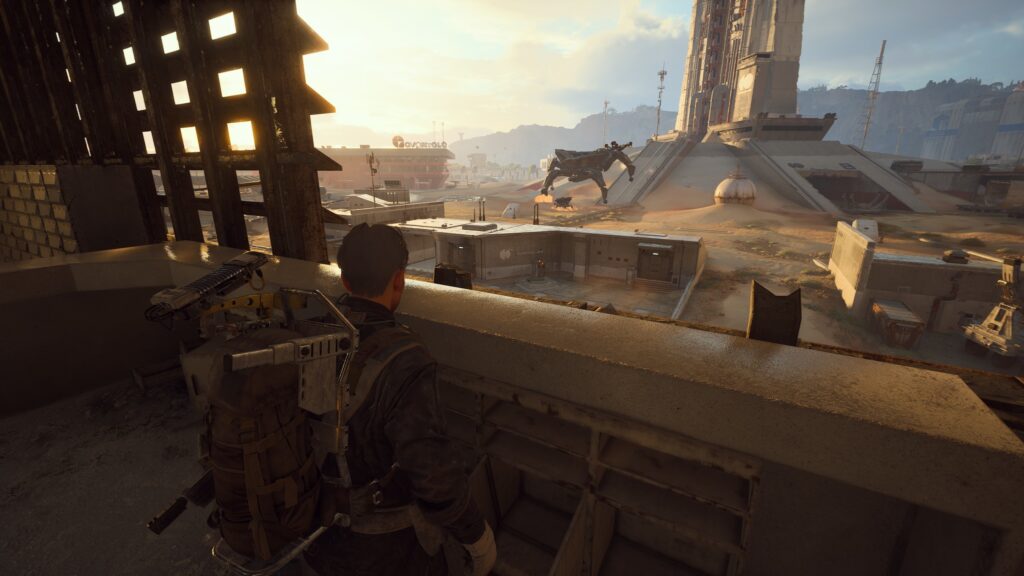
Raiders must use bipods, fortified cover, or lie prone to exploit stable environmental contact. The residual sway is managed by mastering **Breath Control**, timing the shot release to coincide with the brief moment of stabilization between heartbeats and respiratory cycles. This mechanical mastery is essential for hitting critical weak points (TCA) at extreme range.
Variable 2: Recoil Stabilization (Weapon Factor Mitigation)
Heavy DM rifles generate immense kinetic recoil, forcing the muzzle off target. Recoil impacts the ability to deliver rapid follow-up shots or confirm the initial hit. PBC utilizes two strategies for recoil mitigation:
- **Muzzle and Chassis Upgrades:** Integration of salvaged dampeners and magnetic linings (RKI analysis) to physically absorb recoil energy before it transfers to the shooter.
- **Stance Discipline:** The DM must maintain a rigid, disciplined posture to absorb the residual force, ensuring rapid target reacquisition for the next round.
In a tight engagement, effective recoil management allows the DM to transition immediately from targeting a Warden’s armor to delivering a critical hit to the newly exposed power core.
Variable 3: Bullet Drop (Environmental Factor Calculation)
Bullet drop is the projectile’s descent due to gravity over distance. This variable is compounded by the low muzzle velocity of some repurposed Raider ammunition. PBC requires two primary calculations:
| Calculation Element | Required Tool/Discipline | Targeting Adjustment |
|---|---|---|
| **Distance** | Salvaged Rangefinder/Optic Reticle Mil-Dots. | Determines the total drop distance required for compensation. |
| **Windage** | Environmental observation (dust/smoke travel). | Adjusts the lateral point of aim to compensate for crosswinds. |
Failing to compensate for drop by “holding over” the target is the most common reason for wasted high-caliber ammunition.
PBC and Kinetic Overmatch (KOD) Synergy
PBC is inseparable from KOD. The DM must achieve a perfect kinetic trajectory to ensure the round strikes the intended weak point with sufficient velocity to penetrate (TCA).
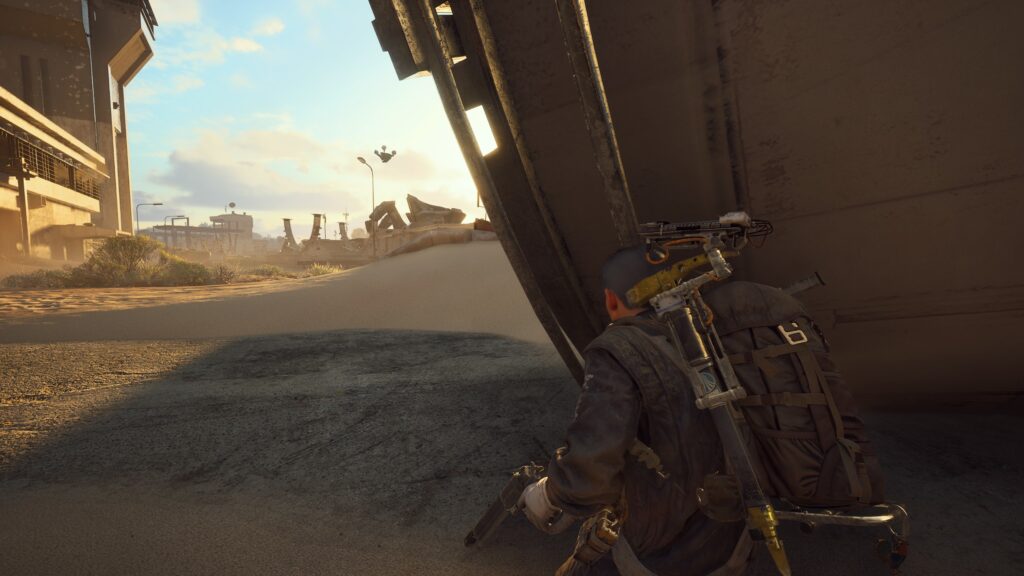
A round that drops slightly short may hit thick armor plating, wasting the scarce high-impact round, whereas a precise drop adjustment ensures the kinetic energy is delivered exactly where it is needed.
Conclusion: The Science of the Strike
Long-range kinetic engagement is an act of science. Precision Ballistics Calculation transforms the unreliable variables of physics into manageable constants.
By mastering the human factors of sway, the mechanical forces of recoil, and the environmental constraints of bullet drop, the Designated Marksman ensures that their firepower is delivered not by chance, but by calculated, lethal design.